-
Table of Contents
Learn more about the different types and causes of acne by diving deep into the topic. Expand your knowledge and understanding of this common skin condition. Click here to explore ACNE.
Understanding the Different Types of Acne and Their Causes
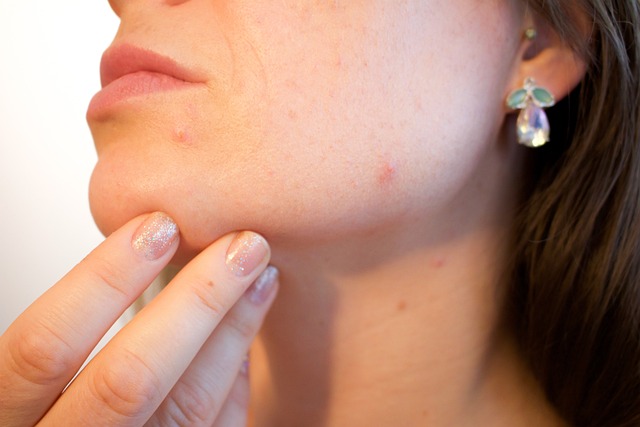
Acne is a common skin condition that affects millions of people worldwide. It can be frustrating and embarrassing, causing self-esteem issues and affecting overall well-being. Understanding the different types of acne and their causes is crucial in finding effective treatment options. In this article, we will take a deep dive into the various types of acne and explore their underlying causes.

One of the most common types of acne is called acne vulgaris. This type of acne is characterized by the presence of whiteheads, blackheads, papules, pustules, nodules, and cysts. It typically occurs during puberty when hormonal changes stimulate the sebaceous glands to produce excess oil. This excess oil, along with dead skin cells, clogs the hair follicles, leading to the formation of acne lesions.
Another type of acne is known as acne rosacea. Unlike acne vulgaris, acne rosacea primarily affects adults, usually between the ages of 30 and 50. It is characterized by redness, flushing, and the appearance of small, red bumps on the face. The exact cause of acne rosacea is unknown, but it is believed to be a combination of genetic and environmental factors. Triggers such as sun exposure, hot beverages, spicy foods, and alcohol can exacerbate the condition.
Acne mechanica is a type of acne that is caused by friction, pressure, or heat on the skin. It is commonly seen in athletes, especially those who wear tight-fitting clothing or equipment that traps sweat against the skin. The constant rubbing and irritation can lead to the development of acne lesions. This type of acne can also occur in individuals who wear helmets, backpacks, or tight-fitting hats for extended periods.
Acne fulminans is a severe and rare form of acne that typically affects adolescent males. It is characterized by sudden onset and the presence of painful, ulcerating nodules and plaques. The exact cause of acne fulminans is unknown, but it is believed to be a combination of genetic factors, hormonal imbalances, and an abnormal immune response. This type of acne often requires aggressive treatment with oral medications and close monitoring by a dermatologist.
Hormonal acne is another common type of acne that primarily affects women. It is often associated with hormonal fluctuations during the menstrual cycle, pregnancy, or menopause. Hormonal acne typically presents as deep, painful cysts along the jawline, chin, and neck. The increased production of androgens, such as testosterone, stimulates the sebaceous glands to produce more oil, leading to the development of acne lesions.
Lastly, acne conglobata is a severe and chronic form of acne that is characterized by large, interconnected nodules and abscesses. It often affects the chest, back, and buttocks. Acne conglobata is believed to be caused by a combination of genetic factors, hormonal imbalances, and an abnormal immune response. It can be challenging to treat and often requires a combination of oral medications, topical treatments, and close monitoring by a dermatologist.
In conclusion, understanding the different types of acne and their causes is essential in finding effective treatment options. Whether it is acne vulgaris, acne rosacea, acne mechanica, acne fulminans, hormonal acne, or acne conglobata, each type has its own unique characteristics and underlying causes. By identifying the specific type of acne and addressing its root cause, individuals can take proactive steps towards achieving clearer and healthier skin. Consulting with a dermatologist is highly recommended for accurate diagnosis and personalized treatment plans.
Conclusion
In conclusion, acne is a common skin condition that affects many individuals worldwide. It can be classified into different types, including comedonal, inflammatory, and cystic acne. The causes of acne are multifactorial and involve various factors such as hormonal imbalances, excess sebum production, clogged pores, bacteria, and inflammation. Understanding the different types and causes of acne is crucial for effective treatment and management of this condition.

