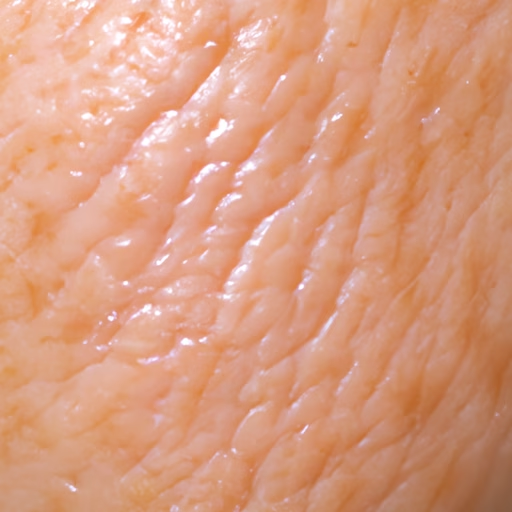
Smooth, confident skin with Keratosis Pilaris solution.
Learn how to effectively manage and treat Keratosis Pilaris by visiting Zena Beauty. Take action now and discover the best solutions for smoother, healthier skin. Visit https://zenabeauty.top for more information.
Understanding the Causes and Treatment Options for Keratosis Pilaris
![Keratosis Pilaris [🐓]](https://wtfaq.bigbeautydata.info/wp-content/uploads/2023/10/93b2cd91f95506543efae2dd2d3e1667.png)
Keratosis Pilaris, also known as “chicken skin,” is a common skin condition that affects many people. It is characterized by small, rough bumps on the skin, typically on the upper arms, thighs, buttocks, and sometimes on the face. While it is not a serious medical condition, it can be bothersome and affect one’s self-esteem. Understanding the causes and treatment options for keratosis pilaris can help individuals manage and improve their skin condition.
The exact cause of keratosis pilaris is still unknown, but it is believed to be a result of the buildup of keratin, a protein that protects the skin from infections and other harmful substances. In individuals with keratosis pilaris, the excess keratin forms plugs in the hair follicles, leading to the characteristic bumps. It is often seen in individuals with dry skin or those who have a family history of the condition.
While keratosis pilaris is not a curable condition, there are several treatment options available to help manage its symptoms. One of the most effective ways to improve the appearance of the skin is through regular exfoliation. Exfoliating the affected areas helps remove the dead skin cells and unclog the hair follicles, reducing the bumps. It is important to choose gentle exfoliants and avoid harsh scrubbing, as it can further irritate the skin.
Moisturizing the skin is another crucial step in managing keratosis pilaris. Keeping the skin hydrated helps prevent dryness and reduces the buildup of keratin. Look for moisturizers that contain ingredients like urea, lactic acid, or salicylic acid, as they can help soften the skin and promote exfoliation. Applying moisturizer immediately after showering or bathing, when the skin is still damp, can enhance its effectiveness.
In some cases, over-the-counter creams or lotions containing ingredients like retinol or alpha-hydroxy acids may be recommended by dermatologists. These products can help improve the texture and appearance of the skin by promoting cell turnover and reducing the buildup of keratin. However, it is important to follow the instructions carefully and be patient, as results may take time to show.
For individuals with severe keratosis pilaris or those who do not respond to other treatments, dermatologists may recommend more advanced treatment options. These may include laser therapy, chemical peels, or microdermabrasion. These procedures aim to remove the outer layer of the skin, promoting the growth of new, smoother skin. However, it is important to consult with a dermatologist to determine the most suitable treatment option based on individual needs and skin condition.
While managing keratosis pilaris can be challenging, it is important to remember that it is a common condition that affects many individuals. It is not a reflection of poor hygiene or a serious medical condition. By understanding the causes and treatment options available, individuals can take steps to improve their skin’s appearance and boost their self-confidence. Remember to be consistent with the chosen treatment plan and consult with a dermatologist for personalized advice and guidance. With time and patience, individuals can find relief from the symptoms of keratosis pilaris and achieve smoother, healthier-looking skin.
Effective Skincare Routine for Managing Keratosis Pilaris
Keratosis Pilaris, also known as “chicken skin,” is a common skin condition that affects many people. It is characterized by small, rough bumps on the skin, usually on the arms, thighs, buttocks, and sometimes the face. While it is not a serious medical condition, it can be bothersome and affect one’s self-esteem. Fortunately, there are effective skincare routines that can help manage and improve the appearance of keratosis pilaris.
The first step in an effective skincare routine for managing keratosis pilaris is gentle exfoliation. Exfoliating the affected areas helps to remove dead skin cells and unclog the hair follicles, which can reduce the appearance of the bumps. However, it is important to use gentle exfoliants to avoid irritating the skin further. Look for products that contain ingredients like salicylic acid or glycolic acid, which can help to exfoliate the skin without causing irritation.
After exfoliating, it is important to moisturize the skin. Moisturizing helps to hydrate the skin and improve its texture. Look for moisturizers that are specifically formulated for dry or sensitive skin, as these are less likely to irritate the skin. Avoid products that contain fragrances or other potential irritants. Instead, opt for moisturizers that contain ingredients like ceramides or hyaluronic acid, which can help to lock in moisture and improve the skin’s barrier function.
In addition to exfoliating and moisturizing, it is also important to avoid picking or scratching at the bumps. This can further irritate the skin and potentially lead to scarring. Instead, try to resist the urge to pick at the bumps and focus on following a consistent skincare routine.
Another important aspect of managing keratosis pilaris is maintaining a healthy lifestyle. Eating a balanced diet that is rich in vitamins and minerals can help to support overall skin health. Additionally, staying hydrated by drinking plenty of water can also improve the appearance of the skin. Regular exercise can also help to improve blood circulation, which can promote healthier skin.
In some cases, over-the-counter treatments may not be enough to effectively manage keratosis pilaris. If this is the case, it may be necessary to consult a dermatologist. A dermatologist can provide additional treatment options, such as prescription creams or laser therapy, which can help to improve the appearance of the skin.
In conclusion, managing keratosis pilaris requires a consistent and effective skincare routine. This includes gentle exfoliation, moisturizing, and avoiding picking or scratching at the bumps. Additionally, maintaining a healthy lifestyle can also contribute to healthier skin. If over-the-counter treatments are not effective, it may be necessary to consult a dermatologist for further treatment options. With the right skincare routine and lifestyle choices, it is possible to manage and improve the appearance of keratosis pilaris.
